



15 Aug Bet you didn’t knew Kiss Cam was Patented
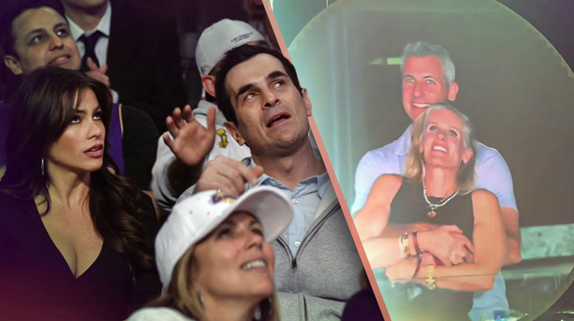
At first glance, the Kiss Cam appears to be harmless entertainment—a spontaneous and lighthearted tradition during sports games where a couple is put on the big screen and encouraged to kiss. But hidden behind the laughter is something unexpected: a U.S. patent. The Kiss Cam patent (U.S. Patent No. 8,514,088) outlines a method and system for audience-participation-based entertainment, covering everything from real-time video capture and participant selection logic to crowd interaction protocols and live display sequences.
This is an example of what IP professionals call “soft IP.” Instead of protecting hardware, it protects the structure of an experience, specifically, the interactivity between spectators and event-hosted systems. KissCam, LLC has not only patented the format, but also licensed it and enforced it in court. This strategy shows that even moments of fun can be transformed into legally protected and commercially actionable assets.
But can something so spontaneous truly be owned? The deeper question is whether emotional or social systems should be subject to intellectual property. If you reconstruct a Dance Cam or Proposal Cam using similar logic, could you be infringing—even if you’re not making money?
According to U.S. Patent Law (35 U.S.C. § 271(a)), infringement occurs regardless of profit or non-profit intent. Courts including the Federal Circuit have ruled that unauthorized “making, using, offering to sell, or selling” a patented invention can infringe—even if done for fun. Furthermore, the “experimental use” exception is extremely narrow. In Madey v. Duke University (2002), the court held that even non-commercial or academic use can infringe unless it is solely for amusement, idle curiosity, or philosophical inquiry, and not in furtherance of any legitimate business—even innocuous ones like education or research.
In plain terms, even a non-profit Kiss Cam moment—two people kissing on a stadium screen—could theoretically infringe if it employs the patented process of video capture, selection logic, crowd display, and interaction flow. Although patent holders rarely sue over small-scale, non-commercial usage due to cost and limited gains, the legal risk remains.
So what can creators, brands, or event organizers do? First, conduct a freedom‑to‑operate analysis to check if your idea overlaps with the patent’s claims. Second, be aware that user experience flows can be patented—it’s not just hardware or code. Third, pursue a soft-IP strategy of your own if your
interaction mechanisms are original and structured, or design around existing patents. Protect innovation without compromising creativity—or worse, stifling it.

Source: Phrma
This tension between protecting invention and preserving spontaneity will only grow as more emotional, interactive experiences are digitized. Should we allow companies to own public joy? Or must we defend the openness of culture and expression? The Kiss Cam patent might just be the beginning.
If you’re designing an interactive user experience, whether for live events, social platforms, or experiential marketing, consider both legal clearance and cultural values. Want help evaluating the IP status and ethical impact of your idea? Reach out to us for a free initial review.