



04 Sep How Many IPs Can One Film Hold?
In today’s fast-evolving media landscape, IP is no longer just about protecting a name or a logo. It’s about designing entire ecosystems. The Netflix animated hit K‑Pop Demon Hunters shows us what happens when a film is built not as a single story—but as a layered IP framework spanning music, characters, fashion, and fan culture.
Though original, the film draws deeply from existing cultural sources: K-pop, Y2K Seoul streetwear, Korean folklore, and global fan remix culture. It transforms these into what industry insiders now call a “designed-original IP”—an intentional structure that enables cross-media scalability from day one.
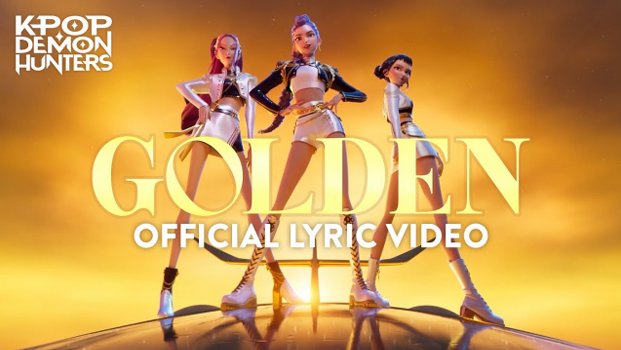
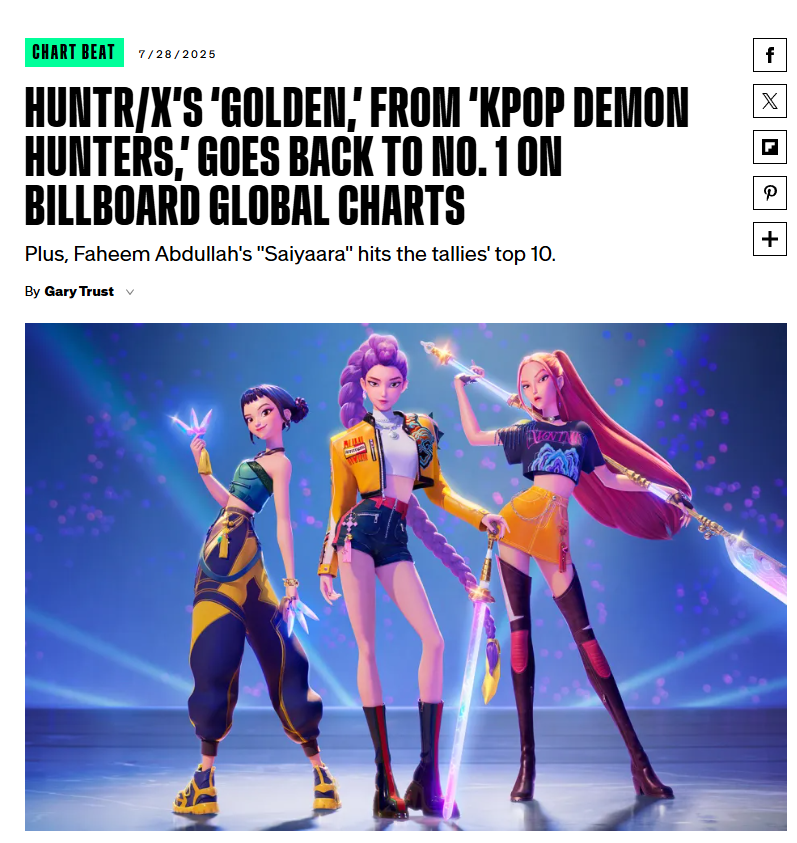
At its core, K‑Pop Demon Hunters contains multiple IP layers. Its narrative forms the foundational IP, while its characters, most notably the virtual idol groups Huntr/x and Saja Boys—function as independent brand assets. Their debut single Golden isn’t just a soundtrack addition—it became a real-world chart-topping hit. Meanwhile, the film’s visual identity: pink neon cities, demon-slaying in crop tops, holographic swords—establishes a style that is easily exportable to merchandise, games, or even cosmetics.
Source: Billboard
But the true multiplier here lies in its fan-driven IP extension. Fans didn’t just consume the film—they remixed it. On platforms like TikTok, YouTube, and Instagram, we see everything from dance covers and cosplay to AR filters and fan-made music videos. This isn’t marketing, it’s co-creation. When the community adopts your characters, music, and aesthetic as part of their own identity, your IP lives far beyond the screen.
Behind the scenes, Netflix and the production team are already expanding the universe: sequels, a live-action K-drama, a possible webtoon series, and even stage musical adaptations are in discussion. All of these are platform-native IP extensions, designed to grow different parts of the fanbase without over-relying on a single format.
Source: Business Research Methodology
This case also illustrates the risks of such an approach. The more layers an IP has, the more complex its legal and reputational risks. Cultural borrowing must be done sensitively. Music and character design must be trademarked and protected across global markets. Furthermore, community-driven content must be followed with clear IP boundaries to avoid disputes or fan alienation.
So, what can creators and companies learn from K‑Pop Demon Hunters? The key takeaway is this: treat your creative output not just as content—but as IP. Whether you’re launching a fashion line, a food brand, a lifestyle app, or a digital service, start with a strategic mindset. Plan early, design each layer of your content (story, sound, style, social identity) as an ownable asset. Don’t just sell a product—build IP nodes that can grow into larger ecosystems. Think mascots, gamified experiences, collectible designs, narrative worlds—elements that spark engagement, loyalty, and community. Allow room for co-creation and remixing. And most importantly, align your creative ambitions with an IP protection strategy that allows your ideas to scale safely and sustainably across markets.
At intellect, we help creators and studios go beyond protection—we help you build IP ecosystems. From brand identity audits to multi-format licensing strategies, our team supports your IP at every stage of expansion.