



04 Sep Canva’s Story: From 100 Rejections to $32 Billion Success
Melanie Perkins’s journey began in Perth, Australia, where as a 19-year-old university student tutoring graphic design, she witnessed how students struggled with complex, unintuitive software that took months to master. She thought, “Why can’t designing be as easy as editing a Google Doc?” and that idea planted the seed for something much bigger.
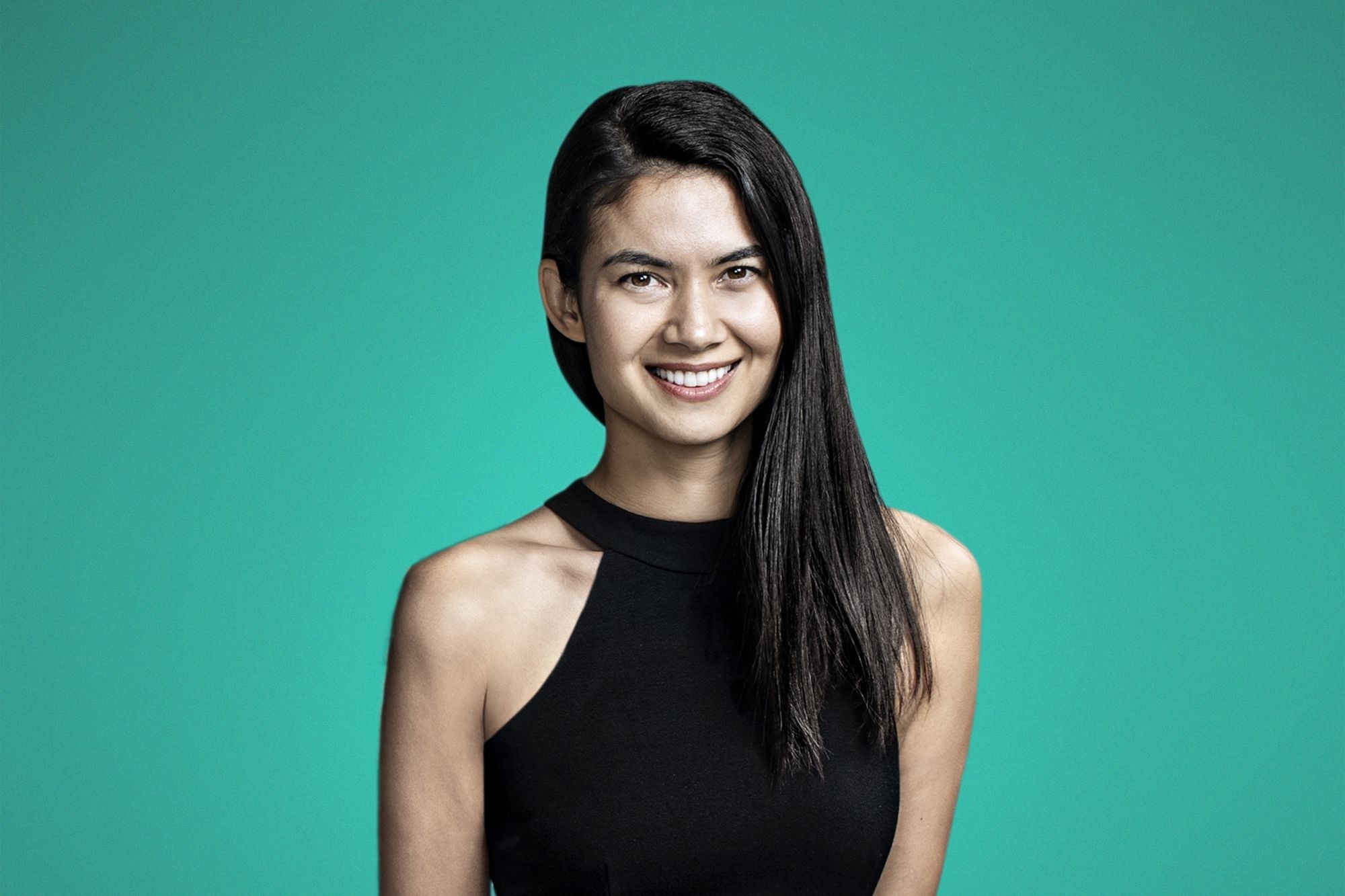
In 2007, Melanie and her boyfriend, Cliff Obrecht, launched Fusion Books from her mother’s living room. This web-based platform allowed schools to create yearbooks online with drag-and-drop ease. Their relatives even pitched in—Melanie’s mom proofread pages while Cliff’s mom handledaccounts. Within five years, Fusion Books became Australia’s largest yearbook publisher, expanding into France and New Zealand.
Still, Melanie dreamed bigger. She faced over 100 rejections from local investors in Perth—but refused to give up. In 2011, an encounter at a startup conference brought a breakthrough: she met prominent Silicon Valley investor Bill Tai. Though he didn’t fund her immediately, he introduced her to a supportive network and invited her to investor events that would change everything.
At one such event in Silicon Valley, she met Lars Rasmussen, co‑founder of Google Maps. Rasmussen was intrigued but advised her to find a tech co-founder. Shortly after, Melanie reached out to Cameron Adams, a former Google engineer. Initially hesitant, he reversed course and joined as Canva’s third co‑founder and Chief Product Officer.
Together with Cliff, this trio—Melanie, Cliff Obrecht, and Cameron Adams—formally launched Canva in 2013. The platform offered an intuitive design experience, democratizing graphic creation through a freemium, drag-and-drop model.
Despite an early setback when a journalist prematurely broke their embargo, the team persevered. Their passion and momentum attracted investors including Felicis, Blackbird Ventures, Sequoia, and more. Their initial funding round in 2012 was oversubscribed, with $1.6 million raised from investors and matched by $1.4 million in government support.
Source: The Software Report
Year by year, Canva’s growth accelerated. By 2017, they reached profitability and had nearly 300,000 paying users. The following year, in 2018, Canva became a unicorn—valued at $1 billion—backed by major VCs.
By 2019, funding rounds elevated Canva’s valuation to $2.5 billion, later jumping to $3.2 billion with the launch of their enterprise product.
Canva’s peak came in 2021 with a $200 million funding round that valued the company at $40 billion—an extraordinary milestone for a profitable, female-led tech startup.
Amid fluctuating valuations, by early 2025, Canva stood strong at a resilient $26 billion. A surge in secondary share sales later that year lifted its worth to $32 billion, amplified by strong revenue growth (13.6%), user base expansion to over 200 million monthly active users, and enterprise revenue soaring 300%.
Throughout this growth, Canva stayed true to its mission: keep design fun and accessible. The founders leaned into technological innovation—integrating AI tools early with acquisitions like Kaleido.ai and Leonardo.ai, and launching Magic Studio and AI assistants to empower users.
Melanie and Cliff also committed to giving back: pledging 30% of their equity to philanthropic causes. Through the Canva Foundation, they have donated over $31 million across initiatives such as GiveDirectly, literacy and numeracy programs in Africa and India, crisis response, and more.
For business owners, entrepreneurs, and creators, Canva’s rise is a powerful reminder that innovation often starts with a frustration, a small problem waiting to be solved. Rejections and setbacks are inevitable, but each one can sharpen your vision if you keep pushing. The world rewards those who dare to make complexity simple, who see opportunities where others see obstacles, and who persist long enough to prove their ideas matter.
From a living room project to a global design empire, Canva’s story proves that no dream is too ambitious. The lesson is simple yet profound: dare to think differently, and dare to innovate. Your idea may be the next one to change the world.