



09 Apr Crafting the Future: The Power of Industrial Design in Everyday Life
Industrial design is a quiet but powerful force that shapes the world we live in. From the sleek smartphones in our hands to the ergonomic chairs we sit on, this discipline fuses creativity, functionality, and technology to transform ordinary products into extraordinary experiences. It’s not just about making things look good—it’s about crafting objects that seamlessly integrate into our lives.Let’s explore the magic of industrial design and how it influences everything from product innovation to global trends.
The First Impression: Why Industrial Design Captures Attention
Imagine walking into a store and being drawn to a product on the shelf. It could be the elegant curves of a Dyson vacuum cleaner or the sleek design of an Apple device. That moment of intrigue is the power of industrial design.
Designers normally recognize the visual appeal as the first point of contact a user has with a product. But it’s not just about aesthetics; it’s about telling a story. A well-designed product communicates its purpose instantly. Take Tesla’s electric cars, for instance. Their minimalist yet futuristic design speaks volumes about innovation and sustainability, drawing you into their world before you even step inside. Great industrial design doesn’t shout—it whispers. It creates intrigue, sparks curiosity, and invites interaction.
The Purposeful Design Process
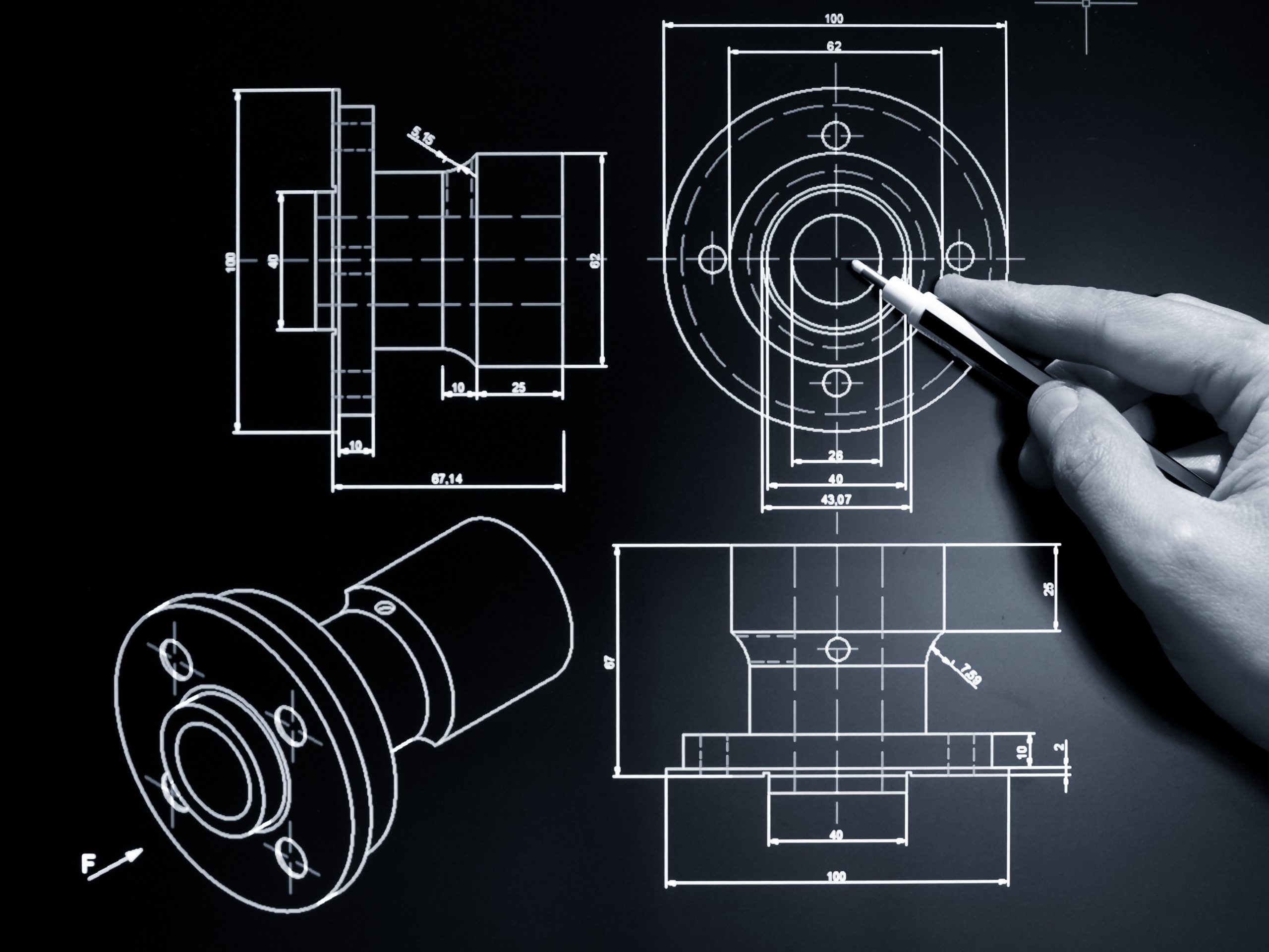
Industrial design focuses solely on the aesthetic aspects of a product—its shape, pattern, color, and overall appearance. Every iconic product results from a meticulous process of research, ideation, prototyping, and refinement, ensuring that its visual appeal enhances consumer experience while maintaining originality.
For instance, the Herman Miller Aeron chair’s distinctive design is protected as an industrial design for its sleek, ergonomic shape. Similarly, the Nest Learning Thermostat’s smooth, intuitive interface and circular form are safeguarded, but its ability to learn user behaviors remains a functional innovation outside industrial design protection.
By bridging artistry and usability, industrial design ensures products stand out visually while preserving their unique aesthetic identity in the market.
Design as a Catalyst for Emotion and Identity
A product’s design can evoke powerful emotions. It can make us feel connected, inspired, or even empowered. This emotional resonance is why people often form attachments to their possessions.
Think of the iPod, which revolutionized how we experienced music. It’s sleek, minimalist design made it more than just a device—it became a symbol of freedom and individuality. Similarly, Scandinavian furniture brands like IKEA or Muji use minimalist aesthetics to craft environments that promote tranquility and clarity, aligning with our desire for simplicity in the overwhelming modern life.
Great design isn’t just about meeting needs; it’s about exceeding expectations and creating lasting impressions.
In today’s world, industrial design is playing a crucial role in addressing environmental challenges. Designers are rethinking materials, manufacturing processes, and product life cycles to create sustainable solutions.
Perfect examples like Adidas partnered with Parley for the Oceans to create sneakers made from recycled ocean plastics. This helps to minimize waste while also increasing awareness of marine pollution.
Similarly, modular designs, like those seen in Fairphone, allow users to repair and upgrade their devices, promoting longevity and reducing electronic waste.
Sustainability in design has shifted from being a trend to becoming an essential practice. Consumers are increasingly prioritizing products that align with their environmental values, driving brands to adopt more responsible and innovative practices.
The Intersection of Design and Technology
Technology is reshaping the landscape of industrial design, opening up new possibilities for creativity and innovation. With tools like 3D printing, augmented reality, and artificial intelligence, designers can now prototype faster, create more complex structures, and personalize products like never before.
Imagine owning a furniture that adapts to your posture or shoes that monitor your running technique. These aren’t futuristic concepts—they’re products of today’s industrial design. The Internet of Things (IoT) has further blurred the lines between physical and digital, creating smarter and more connected products.
As technology continues to evolve, so will the possibilities for industrial design, pushing the
boundaries of innovation and creativity.
Designing Desire: Why We Choose the Products We Love
Have you ever wondered what makes certain products so irresistibly captivating? Industrial design taps into our psychological needs, blending form, function, and emotion to create objects we not only use but also treasure.
Luxury cars, for instance, are as much about performance as they are about status and self-expression. Brands like Ferrari or Porsche leverage industrial design to craft vehicles that are instantly recognizable and deeply aspirational.
Meanwhile, products like the iconic Coca-Cola bottle showcase how design can become a brand’s identity. Its unique shape is instantly recognizable and has remained largely unchanged for over a century, proving the timeless power of thoughtful design.
How Industrial Design Impacts Our Daily Lives
Industrial design often works quietly in the background, but its impact is immeasurable. Every time you pick up a product that feels just right in your hand, or you find yourself drawn to its clean lines and intuitive interface, you’re encountering the thoughtful craftsmanship of industrial design. It’s the invisible force that seamlessly blends practicality with aesthetics to create objects that effortlessly fit into our lives.
From the simplicity of OXO’s Good Grips kitchen tools to the bold innovation of SpaceX rockets, industrial design enhances functionality while sparking inspiration. It shapes how we interact with the world, making everyday tasks more enjoyable and meaningful.
Embracing Industrial Design in the Modern World
Whether you’re a designer, a business leader, or a consumer, industrial design offers lessons for
all of us:
For Designers: The field is constantly evolving. Stay curious, embrace new tools and technologies, and never stop exploring how design can improve lives.
For Businesses: Invest in design as a core strategy. It’s not just about making products—it’s about creating experiences that resonate with customers.
For Consumers: Look beyond the surface. Appreciate the thought and effort behind the products you use and consider their impact on the world around you.
Industrial design isn’t just a profession—it’s a way of thinking, a commitment to innovation, and a celebration of the human spirit.
The Road Ahead: Industrial Design and the Future
As we move forward, industrial design will continue to play a vital role in shaping our world. From addressing sustainability challenges to leveraging cutting-edge technologies, it will define how we live, work, and connect.
The next time you hold a beautifully crafted product in your hands, take a moment to appreciate the artistry and ingenuity that brought it to life. Industrial design goes beyond merely creating objects—it’s about shaping experiences, solving problems, and contributing to a better future.