



15 Aug A Case on Lafufu
Beyond the Grey Zone: Why Imitation Is Not a Strategy — A Case on Lafufu, Labubu, and IP Boundaries
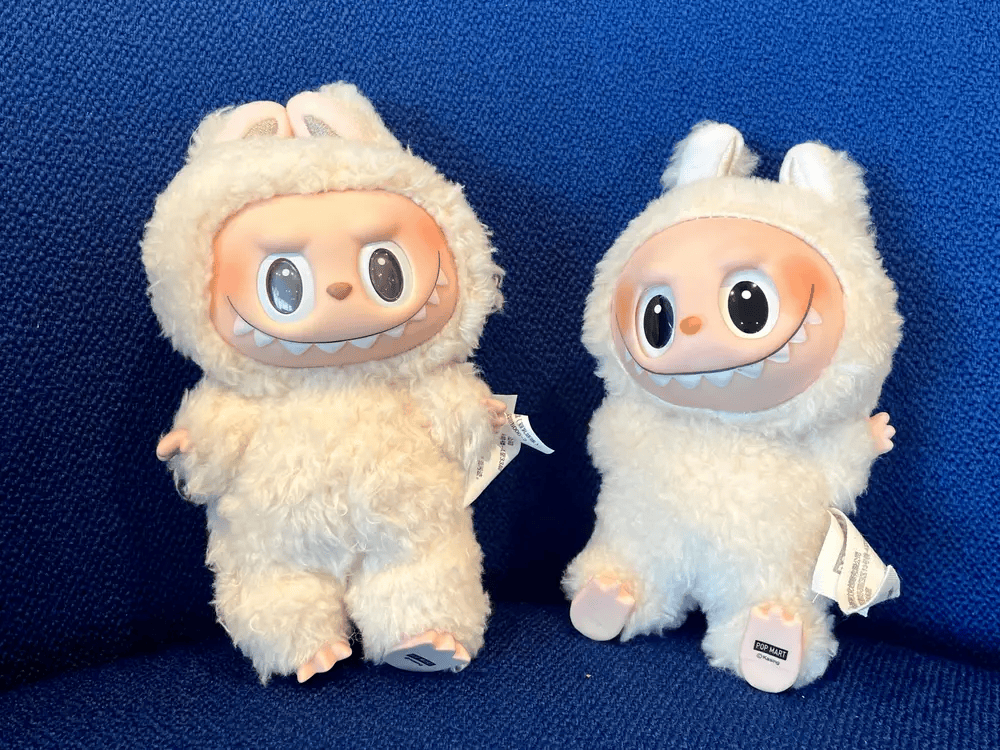
In the fast-moving world of collectible toys and designer figures, creativity and cultural resonance drive market value. The recent buzz around “Lafufu” highlights not only its quirky aesthetic but also its controversial similarity to Pop Mart’s beloved Labubu. While Lafufu has gained traction as a tongue-in-cheek “ugly-cute” parody, it’s important to recognize that its popularity rides on Pop Mart’s original design—without permission. “This ‘grey zone’ is like a warning area: ambiguity doesn’t mean immunity, and market popularity is not enough to excuse infringement.”
Pop Mart has escalated its IP defenses to confront this issue head-on. In July 2025, the company filed a trademark application for “Lafufu,” signaling a preemptive strike to claim control over even derivative names and prevent brand squatting. Moreover, Pop Mart recently filed a lawsuit in California against 7‑Eleven and its franchisees, alleging they sold fake Labubu toys that were “virtually indistinguishable” from the genuine article—claiming trademark, copyright, trade dress infringement and unfair competition. This case underscores that IP law prioritizes consumer confusion and brand equity over superficial design modifications.
The risks of imitation go beyond legal violations—they can endanger consumers. In Pontypridd, Wales, authorities seized hundreds of fake Labubu-style dolls over health hazards related to toxic materials and fire risk. These weren’t just legal missteps—they were potential safety disasters. Lafufu’s low cost masks deeper threats to both consumer safety and brand reputation.
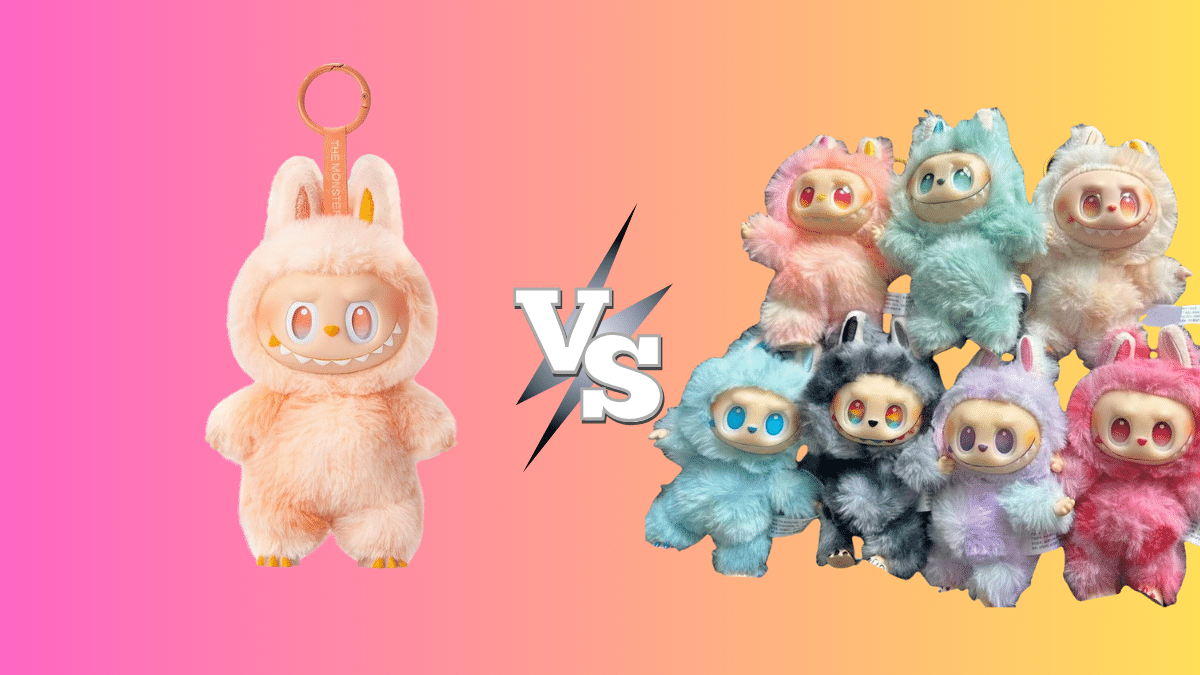
Source: Skint dad
Some fans argue that Lafufu’s viral popularity inadvertently boosts Labubu’s visibility overseas. While buzz can momentarily lift awareness, it doesn’t legitimize copying. A subculture fad is no shield against IP theft. Pop Mart’s legal actions and proactive trademarking efforts reflect a clear message: illicit borrowing does not equate tribute, and legitimacy cannot be built on imitation.
At Intellect, we believe creators should build brands through originality, legality, and intentional growth—not by riding someone else’s wave. Here’s how you can protect your IP and rise authentically:
1. Cultivate a distinctive design language from day one, avoiding derivative pitfalls
2. Register trademarks and copyrights early in all key markets.
3. Maintain your creative documentation—drafts, sketches, timestamps—for proof of originality.
4. Monitor the market proactively for knockoffs and prepare enforcement protocols.
5. Leverage legal and technical tools like anti-counterfeit tech, takedowns, and targeted litigation.
The “Lafufu moment” reminds us of our mission to provide the best and most comprehensive IP services. Our role extends far beyond trademark filing, —we strive to empower creators, businesses, entrepreneurs to strategically protect and grow your intellectual assets across all facets of IP.