



17 Feb When Brand Becomes a Verb: Trademark Success or Legal Nightmare?
“Brands dream of being so popular they become verbs—think Google, Zoom, or even Photoshop. But did you know that this level of success can actually threaten a trademark’s validity? Here’s how brands walk the fine line between fame and fragility.”
When a brand name gets so well-known that people start using it as a verb, it’s often seen as the pinnacle of success. Take “googling” something, “zooming” into a meeting, or “photoshopping” an image. This kind of cultural integration is invaluable marketing—a sign that a brand has embedded itself in our lives. However, this level of success brings a unique legal challenge: the risk of “genericide.” Genericide happens when a brand name becomes so common that it’s seen as the generic term for a type of product or service, leading to the loss of trademark rights.
This is how brands become “generic,” followed by the legal implications of becoming a verb, and the steps companies take to protect their trademarks while still embracing mainstream success.
This is how brands become “generic,” followed by the legal implications of becoming a verb, and the steps companies take to protect their trademarks while still embracing mainstream success.
Brands that suffer genericide
Source: Baxter
1. The Journey from Brand to Verb: A Blessing and a Curse
How Brands Enter Everyday Language
The transformation from brand name to verb usually happens in one of two ways:
- Widespread usage by consumers who find the brand name easier to use than generic terms, like “search the internet” versus “Google it.”
- Media and pop culture influence where the brand name becomes associated with an action in common vocabulary, such as “Photoshop” for image editing.
For brands, this is often an indicator of immense popularity and influence. It implies customer loyalty and recognizability, reducing the need for extensive marketing. But it also introduces the possibility of people seeing the name as a general term, not recognizing it as a trademarked brand.
The Legal Issue: Genericide
Genericide occurs when a trademarked name is used so commonly that it’s no longer associated with the company but rather with the entire category of products or services. Famous examples of brands that lost their trademarks this way include “Aspirin,” “Escalator,” and “Thermos.” These words once represented specific brands but now refer to any version of the product.
When a term becomes generic, companies lose their exclusive rights, allowing competitors to use the brand name freely. This can dilute brand value, disrupt consumer trust, and ultimately impact sales, as competitors capitalize on the name without any association with the original product’s quality or reliability.
2. The Fine Line Between Fame and Fragility: Case Studies of Successful and Lost Trademarks
Google – Maintaining Control Over “Googling”
As the world’s most popular search engine, Google constantly battles to protect its trademark. While “googling” has become shorthand for internet searching, Google takes proactive steps to educate consumers and the media about appropriate trademark usage. For instance, Google encourages “Google Search” rather than “googling” and frequently updates its trademark policy to emphasize that “Google” is a brand, rather than a general term for online searches.
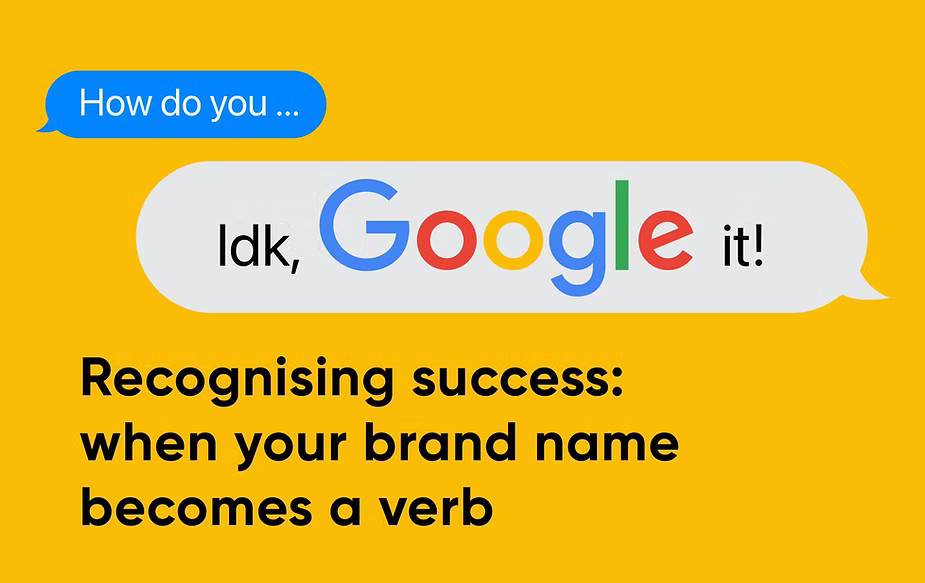
Brand like Google becomes a verb
Source: Threerooms
Xerox – Surviving the Threat of Genericide
For decades, people have referred to making a photocopy as “Xeroxing,” regardless of the brand of the photocopier. In response, Xerox ran extensive advertising campaigns to remind the public that “Xerox” is a trademarked brand, not a general term for photocopying. Their slogan, “When you use ‘Xerox’ the right way, you get the best results,” was part of a strategy to prevent genericide. Despite the threat, Xerox managed to maintain its trademark, largely thanks to its diligent trademark management.
Escalator – A Brand Lost to Genericide
In contrast to Google and Xerox, Otis Elevator Company, the original creator of the “Escalator,” lost its trademark after the term became synonymous with any moving staircase. The loss of exclusivity over “Escalator” set a cautionary precedent for modern companies, showing that once a trademarked word becomes generic, it’s nearly impossible to regain exclusive control.
3. Preventing Genericide: What Companies Are Doing to Protect Their Brands
To avoid the fate of brands like Escalator, many companies are taking proactive steps to control how their names are used:
What is “Trademark Genericide” and how to avoid it
Source: IPThink-Tank
- Consumer Education and Awareness Campaigns
Companies like Xerox and Google frequently remind the public that their brand name refers to a specific, trademarked service or product. These campaigns encourage consumers to use “Google Search” rather than “google,” for example, or to ask for a “Kleenex brand tissue” rather than a “Kleenex.” - Trademark Enforcement and Brand Guidelines
By strictly enforcing brand usage guidelines, companies can prevent other businesses and the media from misusing their trademark. Microsoft, for example, has detailed guidelines on how journalists and advertisers can use their product names without risking genericide. - Creating Alternatives to Verb Usage
Brands often introduce a generic term to describe the action which they want to associated with their product. For example, Google often uses “searching the web” instead of “googling” in its marketing materials. This approach helps differentiate the brand from the general action, thereby reducing the risk of genericide. - Legal Actions Against Misuse
Companies sometimes file legal actions against entities that misuse their brand name in a way that could lead to genericide. Although this is typically a last resort, it underscores a company’s commitment to protecting its trademark and educating the public about proper use.
In Conclusion:
For brands, becoming a verb is a dream come true and a potential legal nightmare. Genericide can lead to a complete loss of a trademark, making it essential for companies to strike a careful balance. They must harness the power of cultural recognition while implementing strategies to safeguard their trademarks. As brand marketers, it’s essential to remember that trademarks are not just legal assets but crucial elements of brand identity. Managing a trademark’s fame responsibly can help ensure that, even if it becomes a household name, it remains a unique, protected brand—recognized and respected for its origin and quality, not just as a common term.